Chronobiology first
Every recommendation traces back to circadian research: light timing, core temperature drop, sleep pressure and 90-minute cycles.
SleepPulse started in a university chronobiology lab, when a group of engineers realised that most sleep apps score your night and then leave you alone with the number. We wanted the opposite: fewer numbers, clearer instructions, and a plan that adapts as your weeks change.
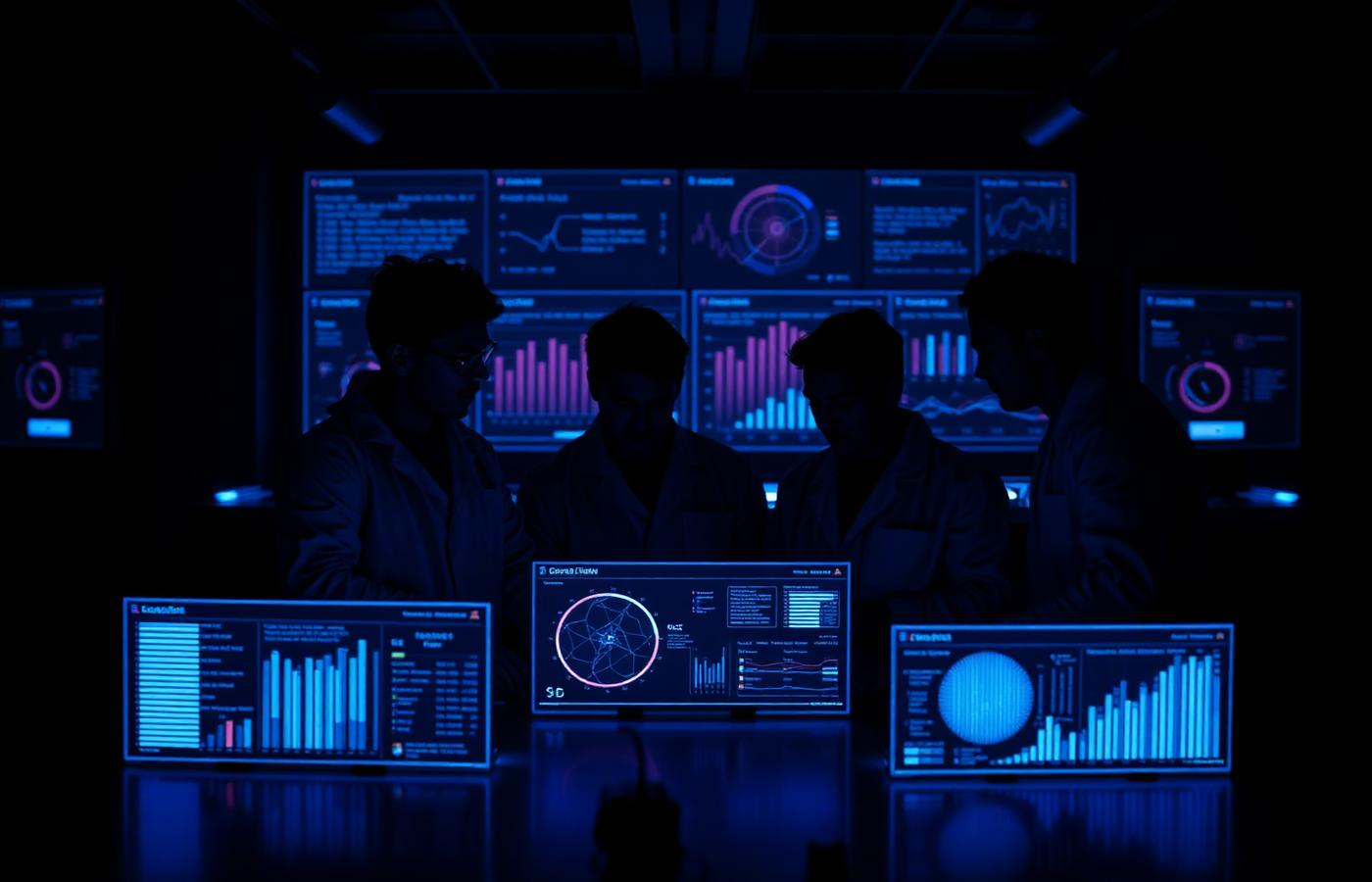
Four principles shape every feature we ship, from the smart alarm window to the wording of a wind-down reminder.
Every recommendation traces back to circadian research: light timing, core temperature drop, sleep pressure and 90-minute cycles.
We combine movement, heart-rate variability and ambient sound rather than a single metric, so a bad night is explainable.
Your nightly records are readable only by you. No audio recordings ever leave your device, and nothing is sold to advertisers.
No streak shaming, no scary red numbers. SleepPulse nudges quietly and lets you skip a night without penalty.
Head of Sleep Science
Circadian researcher, ten years of clinical polysomnography work and the author of our scoring model.
Lead Signal Engineer
Builds the on-device models that turn accelerometer and HRV noise into a usable sleep-stage estimate.
Sound Designer
Composes the adaptive soundscapes, tuned to mask real bedroom noise instead of adding to it.
2022
Started as a research side project measuring wind-down light exposure.
2023
First adaptive soundscape engine shipped to 400 beta sleepers.
2024
Smart alarm cycle detection validated against lab sleep staging.
2026
128,000 nights tracked and a median +47 minutes of sleep per user.
We have open roles for a mobile signal engineer and a clinical sleep coach. Send us a note and tell us how you sleep.
Get in touch